Deutsch
 Français
 Nederlands
 Polski
 Español

WITH FOOD · WITHOUT ALCOHOL
Alcohol-free wines
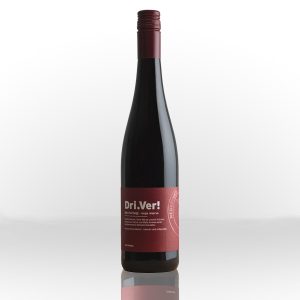
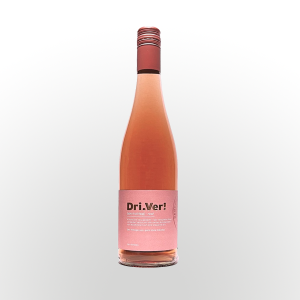
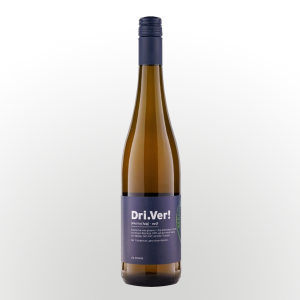
A small, hand-picked selection with structure instead of sweetness, some of them refined with verjus.
WITH FOOD · WITHOUT ALCOHOL
A small, hand-picked selection with structure instead of sweetness, some of them refined with verjus.
Many alcohol-free wines are too sweet or flat. Our selection only includes those with structure and backbone in the glass.
Some of our favourites are refined with a touch of verjus. Its acidity provides exactly the mouthfeel and astringency that alcohol usually brings to wine. For toasting, see our sparklings, and for the curious, our specials.

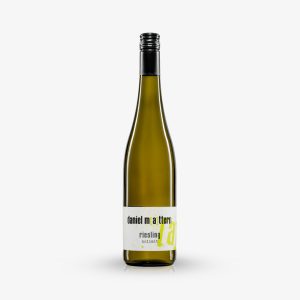
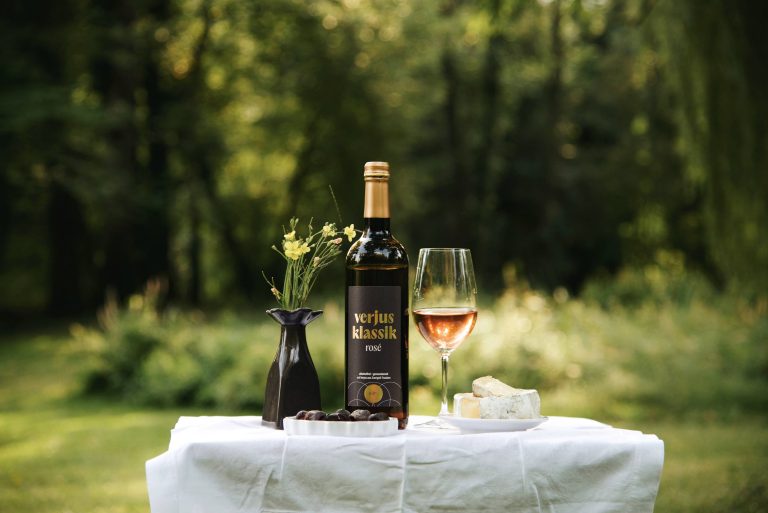
Not a dealcoholised wine, but verjus that has never been fermented.
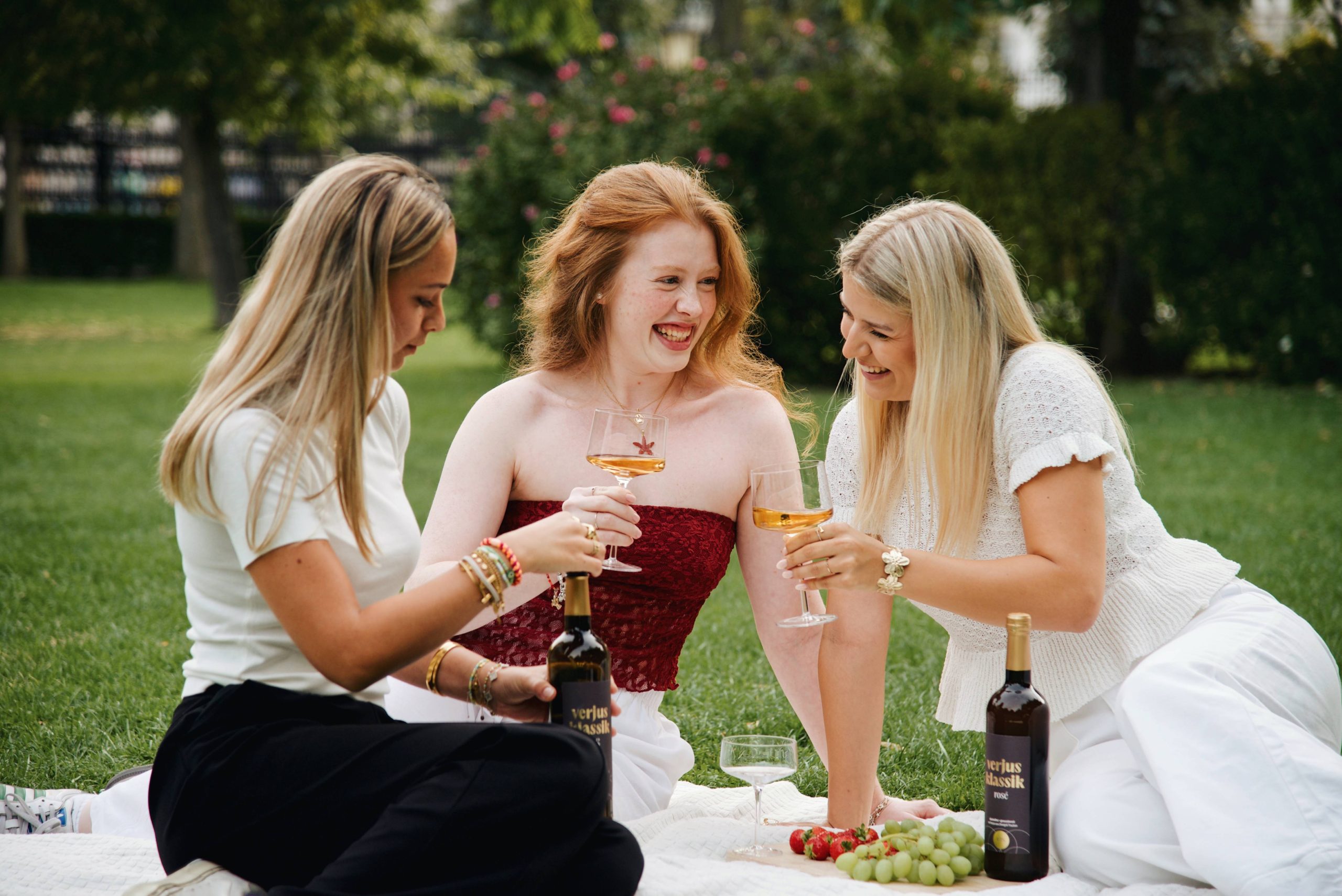
Vinberg Verjus Classic is our still wine alternative for the wine glass: dry, with a fine acidity and structure, in white and rosé. At the Austria Zero Award 2026, Classic Rosé received double gold. Like every Vinberg Verjus, Classic is lab-tested low in histamine.
Classic rosé Classic whiteDealcoholisation forgives no mistakes. For a wine to still have character afterwards, the base wine must already be dense and clean.

Alcohol masks small flaws; without it, they stand out. Only flawless wines with strong character do not taste flat afterwards.

In a vacuum, alcohol evaporates at just 27 °C. The low heat protects the structure and freshness of the wine.

The volatile aromas are separated and added back. That keeps the grape variety recognisable, from the gooseberry of Sauvignon Blanc to the minerality of Riesling.
To be called alcohol-free, a dealcoholised wine may contain up to 0.5% vol residual alcohol. The wines in our selection are often below that. You will find the exact value on the label or the product page.
Our selection is based on real, fermented wines. Acidity, tannins and the typical mouthfeel are preserved. Because alcohol carries flavour, alcohol-free wines usually taste a little leaner and fresher.
Because it is first fermented as wine. That is when the typical aromas, acids and tannins develop. Only then is the alcohol gently removed.
Depending on the wine, about 20 to 30 kcal per 100 ml. The exact nutritional values are on each product page.
Tightly closed, about 3 to 5 days in the fridge. Serve well chilled.
Because the effort is doubled: first a high-quality base wine is made, then the alcohol is removed in a separate, complex process.